
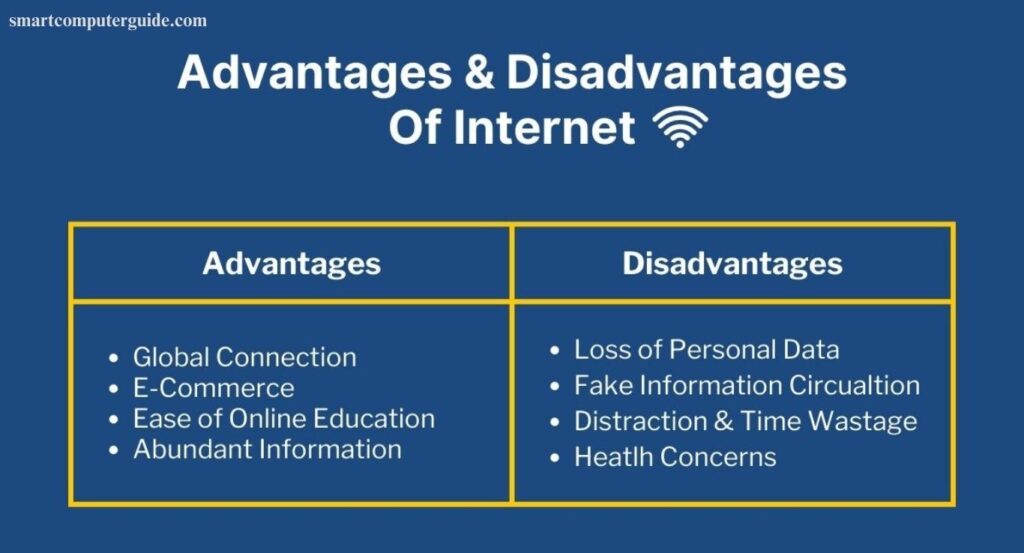
Internet has transformed modern life, offering both benefits and challenges. Many people consider it one of the greatest inventions because it enables instant communication, easy access to information, and countless online services. However, critics argue that excessive internet use can lead to privacy risks, misinformation, and digital addiction. Understanding both perspectives helps users make smarter decisions online.
Exploring the 10 advantages and disadvantages of the internet reveals how it improves daily life while also creating new concerns. Staying aware of these impacts is essential for responsible usage. To remain secure while browsing, also review helpful guidelines like 25 Internet Safety Tips that protect personal data and online activity.
Read More: Computer Network
What Are the 10 Advantages and Disadvantages of the Internet?
Internet advantages highlight the positive ways this technology improves daily life, such as supporting education, enabling instant communication, and providing quick access to information. Disadvantages, however, refer to challenges like time wastage, exposure to harmful content, and online privacy risks. Understanding both aspects helps users make smarter and safer decisions online. The following section explores the 10 advantages and disadvantages of the internet in detail to give a clear view of its benefits and potential drawbacks.
10 Advantages of the Internet
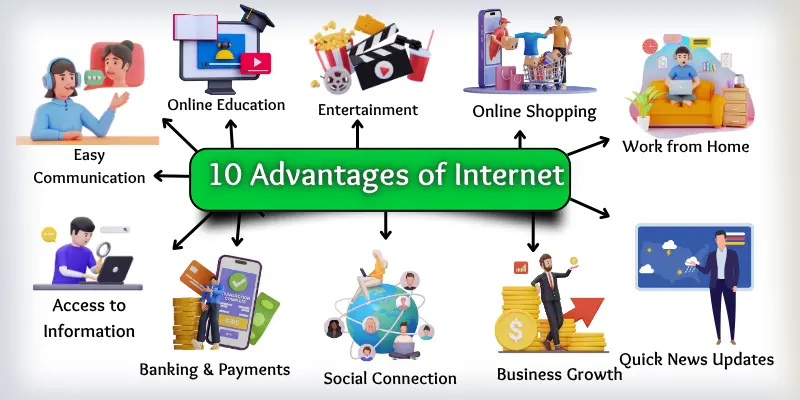
Internet provides many benefits that make daily life easier, faster, and more convenient. From communication to business opportunities, it has transformed how people learn, work, and connect with others. Below are 10 key advantages of the internet that highlight its positive impact on modern life.
10 Advantages of the Internet
- Easy Communication
- Access to Information
- Online Education
- Entertainment
- Online Shopping
- Work from Home
- Banking and Payments
- Social Connection
- Quick News Updates
- Business Growth
Easy Communication
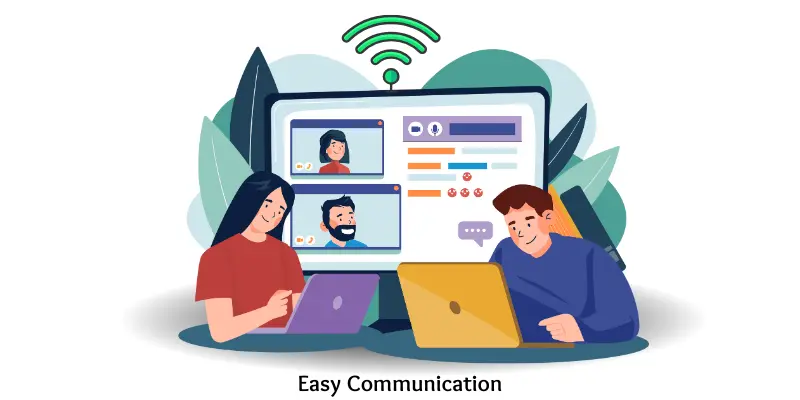
Internet technology enables instant communication across the globe. People can send messages, share media, or start video calls within seconds, making conversations quick and convenient. Strong connectivity keeps friends, families, and colleagues connected even when they live far apart. Many popular communication platforms rely on the internet to deliver these services, including:
- WhatsApp – Send messages, photos, and videos instantly.
- Zoom – Join online meetings and virtual classes.
- Skype – Make voice and video calls worldwide.
- Facebook Messenger – Chat with friends and share media online.
Access to Information
Internet provides instant access to information on almost any topic. Users can quickly search for homework help, current news, research materials, or step-by-step guides within seconds. This easy access makes learning faster and more convenient. Many trusted platforms help people find accurate and useful information online, including:
- Google: Search for answers, articles, and resources on any subject.
- Wikipedia: Explore facts, history, and educational content.
- YouTube: Watch tutorials, lessons, and informative videos.
- BBC News: Stay updated with global news and events.
Online Education
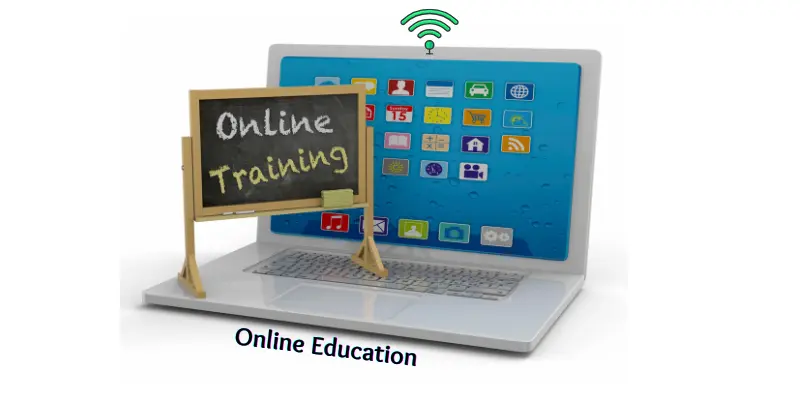
Internet makes studying from home easy and flexible. Students can attend classes on computers or smartphones, learning anytime and anywhere. This convenience enhances understanding and helps learners progress at their own pace. Several platforms provide high-quality educational resources, including:
- Khan Academy – Access free lessons across a variety of subjects.
- Coursera – Enroll in university-level courses from around the world.
- Duolingo – Learn new languages interactively and enjoyably.
- Quizlet – Practice concepts with flashcards and quizzes.
This digital approach makes education more accessible, engaging, and convenient for students everywhere.
Entertainment
Internet offers countless ways to enjoy fun and relaxation. Users can stream movies, listen to music, or play online games with friends instantly. This easy access to entertainment makes free time more enjoyable and interactive. Popular platforms that provide diverse entertainment options include:
- Netflix – Watch movies, TV series, and exclusive shows.
- Spotify – Listen to songs, albums, and podcasts anytime.
- Roblox – Play games and create custom virtual worlds.
- Disney+ – Enjoy cartoons, family movies, and exclusive content.
This variety ensures everyone can find entertainment that fits their interests and mood.
Online Shopping
Internet makes shopping from home fast and convenient. Users can browse and purchase clothes, books, electronics, or groceries without leaving their homes, saving time and effort. Products are delivered directly to your doorstep, making the experience hassle-free. Popular platforms that simplify online shopping include:
- Amazon – Buy a wide range of products from electronics to daily essentials.
- Daraz – Shop for clothes, gadgets, and more locally.
- eBay – Purchase items from sellers worldwide.
- AliExpress – Order products at competitive prices from international sellers.
Online shopping makes purchasing easier, faster, and more accessible than ever before.
Work from Home
Internet enables people to work efficiently from home. Tasks can be submitted online, and meetings can be attended via computer or smartphone, saving travel time and increasing productivity. Several tools make remote work seamless and organized, including:
- Google Meet – Join virtual meetings and collaborate in real-time.
- Trello – Organize tasks and track project progress visually.
- Slack – Chat and collaborate with colleagues instantly.
- Asana – Plan, assign, and monitor work efficiently.
Remote work powered by the internet makes professional life more flexible and productive.
Banking & Payments
Internet simplifies banking and payments, allowing users to send money, pay bills, and manage finances without visiting a bank. Transactions are fast, convenient, and secure when using trusted platforms. Popular services that make online money management easy include:
- PayPal – Send and receive money globally.
- Easypaisa – Pay bills, transfer money, and manage accounts locally.
- JazzCash – Send money and recharge mobile balances quickly.
- Wise – Transfer funds abroad at low cost.
Online banking and payment platforms make financial transactions easier, faster, and more accessible than ever.
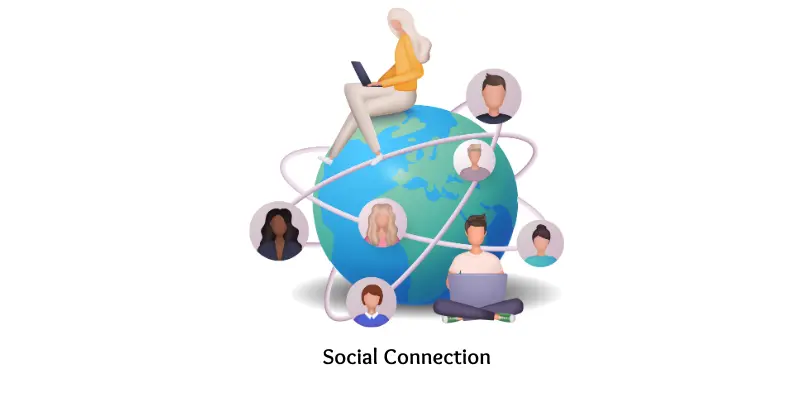
Social Connection
Internet keeps people connected and strengthens relationships. Users can share photos, stories, and updates, join groups, and meet new friends, making the world feel more connected. Popular platforms that help maintain social connections include:
- Instagram – Share photos, videos, and stories with friends and followers.
- Twitter (X) – Post short updates and follow trending news.
- TikTok – Watch and create engaging short videos.
- LinkedIn – Connect with professionals and explore career opportunities.
These platforms make building relationships and staying informed simple and interactive.
Quick News Updates
Internet delivers news instantly, allowing users to stay informed about events worldwide in real time. Live updates and online articles provide faster access than traditional newspapers. Several trusted platforms offer reliable news coverage, including:
- CNN – Global news and live reports.
- Geo News – Latest news and updates from Pakistan.
- Al Jazeera – Reports on world events and current affairs.
- Dawn – Local news, articles, and analyses from Pakistan.
Online news makes staying informed faster, easier, and accessible anytime.
Business Growth
Internet accelerates business growth by providing access to a global audience. Companies can sell products online, reach customers in different cities or countries, and reduce costs compared to physical stores. Several platforms support businesses in expanding their reach and increasing sales, including:
- Shopify – Build and manage online stores easily.
- Etsy – Sell unique and handmade products to a wide audience.
- Fiverr – Offer services and connect with clients worldwide.
- Upwork – Collaborate with clients and grow freelance businesses internationally.
Online tools make business expansion faster, cost-effective, and more accessible than ever.
10 Disadvantages of the Internet
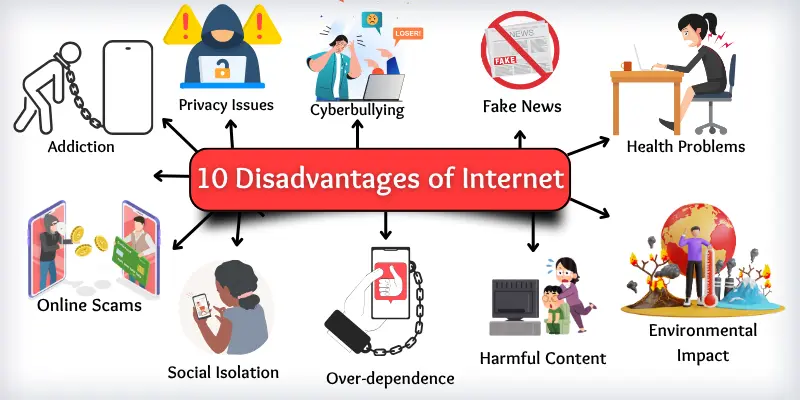
While the internet offers many benefits, it also has drawbacks. Here are 10 key disadvantages:
- Addiction
- Privacy Issues
- Cyberbullying
- Fake News
- Health Problems
- Online Scams
- Social Isolation
- Over-dependence
- Harmful Content
- Environmental Impact
Addiction
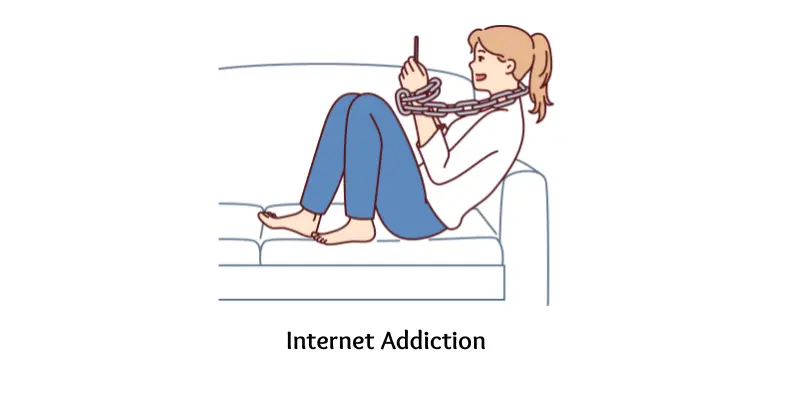
Internet overuse can lead to addiction, causing people to spend excessive time online and neglect studies, outdoor activities, or responsibilities. This can affect both physical health and mental well-being. Several online activities contribute to addiction, including:
- Online Games – Playing for hours without taking breaks.
- Social Media – Endless scrolling that makes time pass unnoticed.
- Video Streaming – Watching movies or shows all day.
- Chat Apps – Constant chatting instead of focusing on important tasks.
Managing screen time and using the internet responsibly can help prevent addiction and maintain a balanced lifestyle.
Privacy Issues
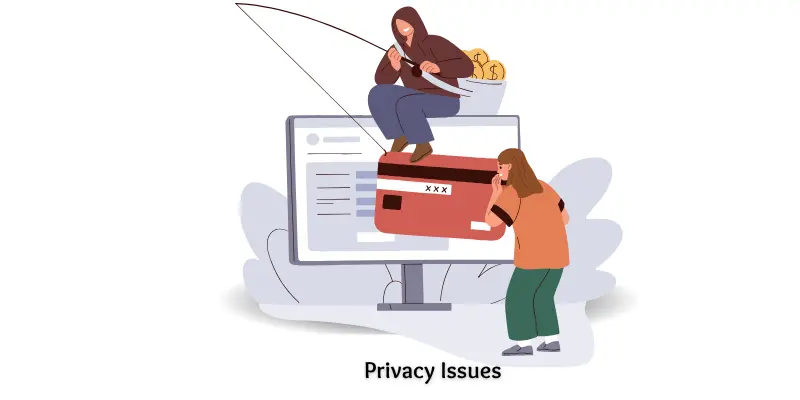
Internet use can put personal information at risk, exposing users to hackers and unwanted access to shared data. Protecting privacy is essential to stay safe online. Common risks include:
- Data Hacking – Theft of passwords, files, and sensitive information.
- Phishing Emails – Fake messages that request personal or financial details.
- Public Wi-Fi – Unsafe networks that can leak data.
- Tracking Cookies – Websites monitoring your online activity for ads or data collection.
Using strong passwords, secure networks, and privacy settings helps reduce these risks.
Cyberbullying
The internet can be misused to harm others through mean messages, false posts, or offensive content, causing emotional distress. Cyberbullying occurs in various online spaces, including:
- Social Media – Sharing rude comments, pictures, or posts to hurt others.
- Messaging Apps – Sending threatening or hurtful texts.
- Online Games – Using offensive language or targeting players.
- Forums – Spreading rumors or false information about someone.
Awareness, reporting tools, and privacy settings are essential to prevent and address cyberbullying effectively.
Fake News
The internet can quickly spread false or misleading information, which people may believe without verification, causing confusion or fear. Fake news appears in various online sources, including:
- Clickbait Websites – Publish sensational stories to attract views.
- Social Media Posts – Share unverified news rapidly.
- Fake Videos – Display edited or misleading clips.
- Chain Messages – Circulate untrue stories in groups or chats.
Verifying sources and fact-checking information helps protect against the impact of fake news.
Health Problems
Excessive internet use can negatively impact physical and mental health. Long hours online may strain the eyes, affect posture, and disrupt sleep patterns. Common health issues include:
- Eye Strain – Prolonged screen exposure can cause discomfort and fatigue.
- Back Pain – Sitting for extended periods without movement affects posture.
- Poor Sleep – Using devices late at night can disturb sleep cycles.
- Headaches – Extended screen time may trigger headaches and discomfort.
Taking regular breaks, adjusting screen settings, and maintaining good posture can help reduce these health risks.
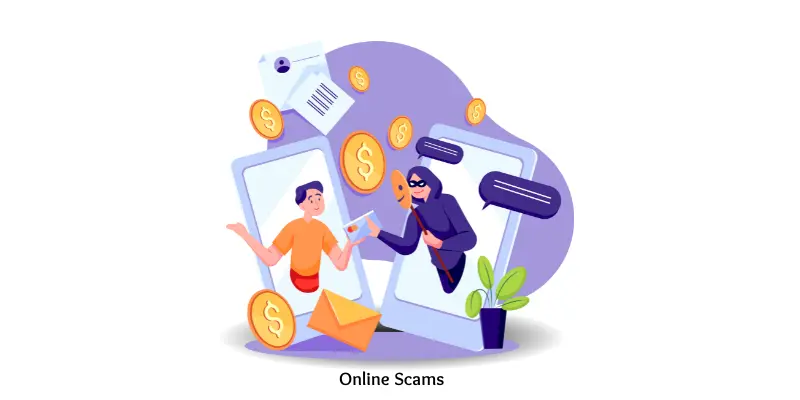
Online Scams
The internet is full of fraudulent schemes designed to steal money or personal information. Scammers often pretend to be legitimate, tricking users into sharing sensitive data. Common online scams include:
- Phishing Websites – Fake sites that request passwords or personal details.
- Lottery Emails – Messages claiming you won a prize you never entered.
- Fake Shopping Sites – Take payments without delivering products.
- Job Scams – Ask for upfront payment before providing work or opportunities.
Staying cautious, verifying sources, and avoiding suspicious links can help protect against online scams.
Social Isolation
Excessive internet use can reduce face-to-face interactions, leading to loneliness and social isolation. People may spend more time online than with family or friends. Common causes include:
- Online Games – Playing for hours without social interaction.
- Binge-Watching – Watching shows for long periods without breaks.
- Endless Scrolling – Spending excessive time on social media feeds.
- Online Chatting – Choosing virtual conversations over in-person communication.
Balancing online activities with real-world interactions helps maintain healthy social connections.
Over-dependence
Excessive reliance on the internet can weaken problem-solving and critical thinking skills. People may depend on online tools for tasks they could handle themselves. Common examples of over-dependence include:
- Online Maps – Using navigation apps even for short or familiar routes.
- Spell Checkers – Relying on them instead of learning correct spelling.
- Search Engines – Looking up answers immediately without attempting solutions first.
- Translation Apps – Using them instead of learning a new language.
Balancing internet use with personal effort helps maintain essential skills and independence.
Harmful Content
The internet contains content that can negatively impact children and teenagers, influencing thoughts, behavior, and attitudes. Common types of harmful content include:
- Violent Videos – Depict fights or physical harm.
- Adult Websites – Display inappropriate material unsafe for minors.
- Hate Speech – Spread anger, discrimination, or hostility.
- Dangerous Challenges – Online trends that can lead to physical or emotional harm.
Parental supervision, content filters, and awareness can help protect young users from harmful online material.
Environmental Impact
The internet consumes significant energy, contributing to carbon emissions and environmental harm. Data centers, servers, and online activities all have an ecological footprint. Common causes of the internet’s environmental impact include:
- Large Data Centers – Operate powerful machines continuously, consuming massive electricity.
- Streaming Videos – High energy usage to deliver content globally.
- Online Ads – Load extra data, increasing energy demand.
- Unused Emails – Stored on servers, taking up space and resources.
Reducing unnecessary online activity and using energy-efficient technologies can help lessen the internet’s environmental impact.
Frequently Asked Questions
What is the internet?
The internet is a global network that connects millions of computers and devices, allowing users to share information, communicate, and access services online.
What are the main advantages of the internet?
Key benefits include easy communication, access to information, online education, entertainment, online shopping, work from home, banking, social connection, quick news updates, and business growth.
What are the main disadvantages of the internet?
Disadvantages include addiction, privacy issues, cyberbullying, fake news, health problems, online scams, social isolation, over-dependence, harmful content, and environmental impact.
How can the internet improve education?
It allows students to attend online classes, access tutorials, learn new skills, and study anytime, anywhere through platforms like Khan Academy, Coursera, and Duolingo.
Is the internet safe for children?
Children can be exposed to harmful content, cyberbullying, and scams. Parental supervision, content filters, and digital safety education are essential for protection.
How does the internet impact businesses?
Businesses can reach global customers, sell products online, reduce costs, and grow faster using platforms like Shopify, Etsy, Fiverr, and Upwork.
Can spending too much time online be harmful?
Yes, overuse can cause addiction, health problems, social isolation, and over-dependence on online tools. Balancing screen time is important.
How can I protect my privacy online?
Use strong passwords, avoid public Wi-Fi for sensitive transactions, enable privacy settings, and be cautious with personal information to reduce risks.
What are some reliable news sources online?
Trusted platforms include CNN, Geo News, Al Jazeera, and Dawn, which provide accurate news and live updates.
How does internet use affect the environment?
High energy consumption from data centers, video streaming, online ads, and stored emails increases carbon emissions and contributes to environmental impact.
Conclusion
The internet has transformed modern life, offering countless benefits while also posing challenges. It enables easy communication, online learning, entertainment, shopping, and business growth, making daily tasks faster and more convenient. However, overuse can lead to addiction, privacy risks, cyberbullying, fake news, health issues, and social isolation.