
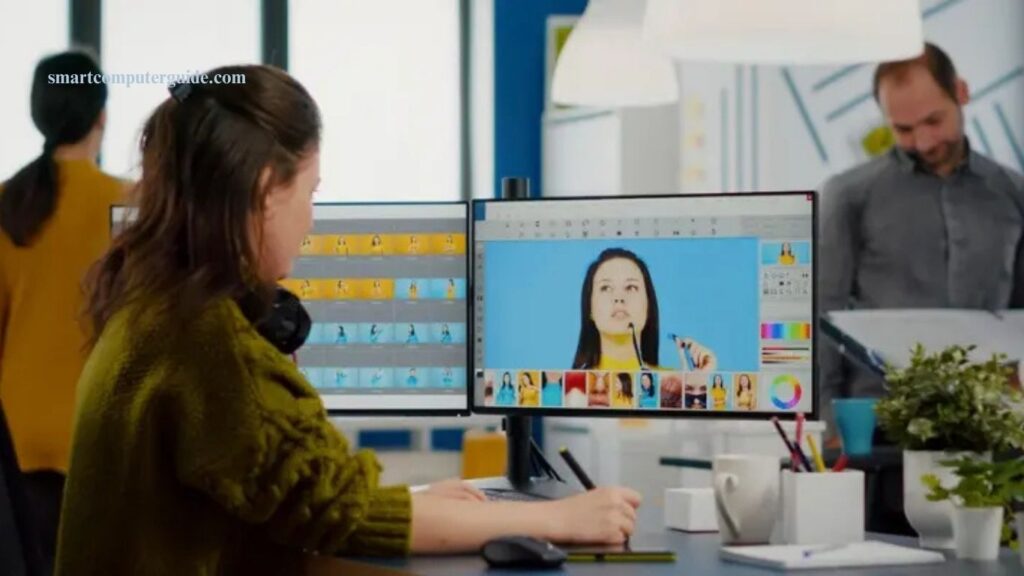
Visual design has become one of the most dynamic and rapidly growing sectors in the modern digital economy. Traditional art techniques have evolved into advanced digital practices, creating new opportunities for professionals with creative and technical skills. The shift from brushes and paints to digital tools and programming represents more than a simple change in methods. It highlights a new direction for the creative industry.
Today’s visual designers combine artistic creativity with technical knowledge to solve complex design challenges. Their work supports industries such as marketing, technology, media, and product development, making visual design an essential skill in today’s competitive and innovation-driven digital world.
Read More: How to Make an App Folder on Android
This powerful combination enables designers to:
- Build interactive experiences that engage millions of users every day
- Create digital products that generate strong business value
- Design solutions for emerging technologies such as AR, VR, and AI interfaces
- Develop visual systems that work smoothly across global markets
Modern design demands professionals who understand both creativity and technical implementation. Industry-standard tools like Figma, Sketch, and Adobe XD enable rapid prototyping and seamless team collaboration. Designers increasingly rely on these platforms to create efficient workflows and scalable products.
Structured learning, such as a UI/UX design course, helps professionals gain hands-on experience with these tools. Expanding areas like digital fashion also show how visual design skills now extend far beyond traditional industries.
Growing demand for digital experiences has transformed visual design into a critical skill, while professionals continue pushing creative boundaries in exciting new directions.
Professional Design Evolution: From Manual Craft to Digital Mastery
Graphic design has experienced a remarkable transformation over the years. Early designers relied on fully manual processes, creating layouts by hand, guiding typesetters, and assembling physical boards for printing and reproduction. Every step required patience, precision, and strong craftsmanship.
The mid-1990s introduced a major shift as designers moved from drafting tables to digital workstations. This transition opened new creative possibilities, including digital transparency and layering, advanced typographic control, and interactive design capabilities. Designers could now combine traditional visual principles with dynamic digital experiences.
Today’s visual designers build on this digital legacy while working across a much broader creative landscape. Modern design includes motion graphics, animation, and complex interactive systems that reshape how visual communication works.
Professionals who understand both traditional design foundations and modern technology gain a strong advantage in the industry. As the field continues evolving, innovations like AI-powered design tools, immersive virtual environments, and multi-device experiences are pushing creative boundaries and redefining the future of visual design.
Professional-Grade Tools That Define Industry Standards
Modern visual design relies on advanced digital platforms that enable high-quality creative work. Professionals use powerful software to develop ideas quickly, execute designs accurately, and collaborate with global teams. Tools like Figma provide cloud-based workspaces with real-time editing, multi-user workflows, and seamless project coordination.
Virtual prototyping allows designers to create parametric models and run simulations without building physical prototypes. This approach shortens development cycles and helps teams explore multiple design options before final production.
Artificial intelligence also plays a growing role in modern design. Generative design systems analyze complex variables such as material specifications, performance requirements, aesthetic goals, and cost efficiency to produce multiple design solutions.
Three-dimensional modeling has become essential for professional practice. It enables photorealistic visualization, functional testing, and accurate simulations, allowing designers to validate concepts and refine products before physical development begins.
Digital Fashion: Where Technology Meets Creative Expression
Digital fashion illustrates how advanced visual design skills can create entirely new markets. Luxury brands like Balenciaga and Gucci now offer virtual outfits for avatars in games, social media, and virtual reality—clothes that exist only digitally.
Designers in this field merge 3D modeling with traditional fashion principles to push industry boundaries. Innovations include virtual try-ons, augmented reality experiences, sustainable zero-waste designs, and customization options that traditional manufacturing cannot achieve.
The same 3D modeling and UX principles apply to product visualization, architectural rendering, and interactive media, placing skilled designers at the intersection of multiple fast-growing industries. Digital fashion proves that visual design expertise is not just creative—it’s a strategic business advantage unlocking new market opportunities.
The Future of Visual Design Expertise
Visual design expertise is among the most valuable skills in today’s digital economy. As the industry shifts from traditional to digital methods, demand grows for designers who understand creative concepts and can implement them using modern technology. Enrolling in a UI/UX design course offers structured training, hands-on projects, and experience with the latest tools and workflows, helping professionals become industry-ready.
Designers who combine artistic creativity with digital proficiency gain a strong competitive edge. They access high-growth industries, collaborate remotely on innovative projects, and drive creative solutions that redefine standards across multiple sectors.
Frequently Asked Questions
What is visual design and why is it important?
Visual design is the practice of creating aesthetically appealing and functional digital or physical experiences. It is crucial because it shapes user interactions, enhances brand identity, and drives engagement in digital platforms.
How has visual design evolved over time?
Visual design has evolved from traditional manual methods, like hand-drawn layouts and physical boards, to digital workflows using software, 3D modeling, and interactive design tools, enabling faster and more complex creative work.
Which tools define professional visual design today?
Industry-standard tools include Figma, Adobe XD, and Sketch. These enable collaboration, rapid prototyping, and cross-platform design.
What is generative design in visual design?
Generative design uses AI to create multiple design solutions based on parameters like materials, performance, aesthetics, cost, and timelines, helping designers explore innovative options efficiently.
How does digital fashion relate to visual design?
Digital fashion applies 3D modeling and visual design principles to create virtual clothing for avatars, social media, gaming, and virtual reality, opening new markets without physical production.
What are the benefits of virtual prototyping?
Virtual prototyping allows designers to test models and simulate systems digitally, reducing development time, minimizing errors, and enabling thorough exploration before physical production.
Why is 3D modeling essential in modern design?
3D modeling provides photorealistic visualization, functional testing, and simulation capabilities, allowing designers to validate concepts, create interactive experiences, and ensure accuracy before implementation.
How can learning UI/UX design boost a designer’s career?
UI/UX courses offer structured training, hands-on projects, and exposure to professional tools, helping designers gain practical skills and industry-ready experience for high-demand digital roles.
What industries benefit most from visual design expertise?
Visual design skills are in demand across marketing, product design, gaming, virtual/augmented reality, digital fashion, interactive media, and architectural visualization.
What is the future of visual design?
The future lies in AI-powered tools, immersive AR/VR experiences, multi-device interfaces, and hybrid creative-technical skill sets, making visual design a critical professional competency.
Conclusion
Visual design has transformed from traditional handcraft to a dynamic digital discipline, becoming one of the most valuable skills in today’s creative economy. Modern designers blend artistic vision with technical expertise, using professional tools like Figma, Adobe XD, and Sketch to create interactive experiences, 3D visualizations, and AI-driven solutions. Emerging fields like digital fashion and AR/VR applications highlight the expanding opportunities for skilled designers.