
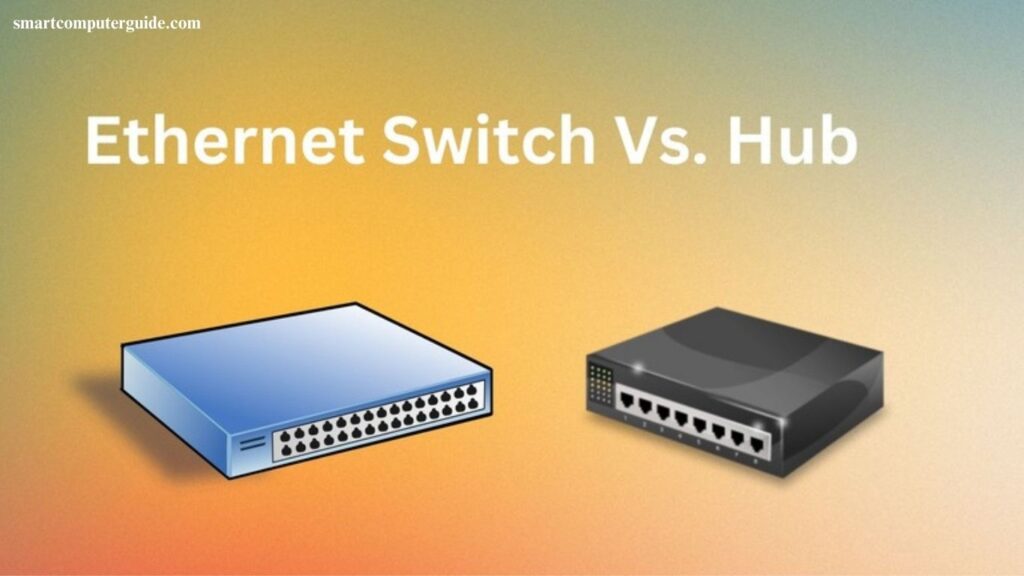
Understanding the difference between a hub and switch is essential for anyone learning networking. While beginners often assume they perform the same function, hubs and switches operate differently. A hub simply broadcasts data to all devices on a network, which can lead to collisions and reduced efficiency.
In contrast, a switch intelligently directs data only to the intended device, improving speed and network performance. Knowing how each device manages data traffic not only strengthens your networking knowledge but also helps in designing efficient, reliable networks for both home and professional environments.
Read More:
What is the Difference Between Hub and Switch?
Understanding the difference between a hub and a switch is essential in computer networking. Both connect multiple devices, but a switch directs data efficiently to the intended device, while a hub broadcasts data to all connected devices. Key differences between hub and switch include functionality, speed, security, and usage.
- Functionality
- OSI Layer
- Data Transmission
- Speed
- Efficiency
- Security
- Collision Handling
- Cost
- Port Management
- Usage
Functionality
The primary difference between a hub and switch lies in how they handle data.
Hub
A hub broadcasts data to all devices on the network, regardless of the intended recipient. This can waste bandwidth and slow down network performance.
Switch
A switch directs data only to the specific device that needs it by checking device addresses. This improves speed, security, and overall network efficiency.
OSI Layer
Hubs and switches differ in the OSI layer they operate on, which determines how devices send and receive data.
Hub
Operating at the Physical Layer (Layer 1), a hub only transmits electrical signals between devices without reading the data, making it less efficient in handling network traffic.
Switch
A switch operates at the Data Link Layer (Layer 2), using MAC addresses to deliver data to the correct device. Advanced switches may also function at the Network Layer (Layer 3) for smarter data management.
Data Transmission
Hubs and switches differ in how they transmit data across a network.
Hub
Hubs operate in half-duplex mode, meaning they can either send or receive data at a time. This causes delays as devices wait their turn, slowing network performance.
Switch
Switches use full-duplex mode, allowing simultaneous sending and receiving of data. This enables faster communication and significantly improves overall network efficiency.
Speed
Hubs and switches differ significantly in data transfer speed.
Hub
Hubs operate at low speeds, typically up to 10 Mbps, which is insufficient for modern networks and internet usage, often causing slow performance.
Switch
Switches support higher speeds—10, 100, and even 1000 Mbps—ensuring fast, smooth data transfer, making them ideal for modern network environments.
Efficiency
Hubs and switches vary in how efficiently they use network resources.
Hub
Hubs broadcast data to all devices, wasting bandwidth and slowing the network.
Switch
Switches send data only to the intended device, conserving bandwidth and ensuring faster, smoother network performance.
Security
Hubs and switches differ in network security.
Hub
Hubs broadcast data to all devices, allowing any device to access information, which makes the network vulnerable.
Switch
Switches send data only to the intended device, protecting information and ensuring a safer, more private network.
Collision Handling
Hubs and switches differ in managing data collisions, which happen when two devices send data simultaneously.
Hub
Hubs cannot prevent collisions. When multiple devices transmit at once, signals clash, slowing the network and requiring data to be resent.
Switch
Switches send data directly to the intended device, reducing or eliminating collisions and ensuring faster, smoother network performance.
Cost
Hubs and switches differ in price and value.
Hub
Hubs are inexpensive and suitable for small, simple networks but offer limited speed and security.
Switch
Switches cost more but provide faster, safer, and more reliable performance, making them worth the investment for modern networks.
Port Management
Hubs and switches differ in how they manage network connections.
Hub
Hubs lack port management and broadcast data to all ports without tracking which device is connected where, operating very simply.
Switch
Switches use intelligent port management, remembering each device’s MAC address and sending data only to the correct port, improving efficiency and network performance.
Usage
Hubs and switches differ in their typical applications.
Hub
Hubs are suited for small, simple networks where cost matters more than speed. They are rarely used today due to slower performance and lower security.
Switch
Switches are ideal for modern networks in offices, schools, and large organizations, offering fast speeds, enhanced security, and reliable performance.
Frequently Asked Questions
What is a hub in networking?
A hub is a basic networking device that connects multiple computers but broadcasts data to all devices, regardless of the intended recipient.
What is a switch in networking?
A switch is a smart device that connects multiple devices and sends data only to the intended recipient, improving speed and security.
How is a hub different from a switch?
Hubs broadcast data to all devices, operate at the Physical Layer, and are slower. Switches send data to specific devices, work at the Data Link Layer, and are faster and more secure.
Which is faster, a hub or a switch?
Switches are faster because they use full-duplex communication and direct data to the correct device, while hubs operate at low speeds using half-duplex mode.
Are hubs still used today?
Hubs are rarely used in modern networks because of slow speed, low security, and inefficient bandwidth usage.
Why are switches more secure than hubs?
Switches send data only to the intended device, preventing unauthorized access by other devices on the network.
What types of networks use hubs?
Hubs are typically used in very small, simple networks where cost is the main concern rather than speed or security.
What types of networks use switches?
Switches are common in offices, schools, and large organizations where fast, secure, and reliable network performance is required.
Which is better: a hub or a switch?
Switches are better for modern networking due to faster speeds, efficient bandwidth usage, enhanced security, and reliable performance. Hubs are only suitable for small, low-cost networks.
Conclusion
Hubs and switches both connect multiple devices in a network, but switches offer clear advantages in speed, efficiency, security, and overall performance. While hubs are inexpensive and suitable for very small, simple networks, switches are the preferred choice for modern offices, schools, and organizations due to their smarter data management, faster communication, and enhanced reliability. Choosing the right device depends on your network size, budget, and performance needs, but for most modern applications, switches provide the best long-term value.