
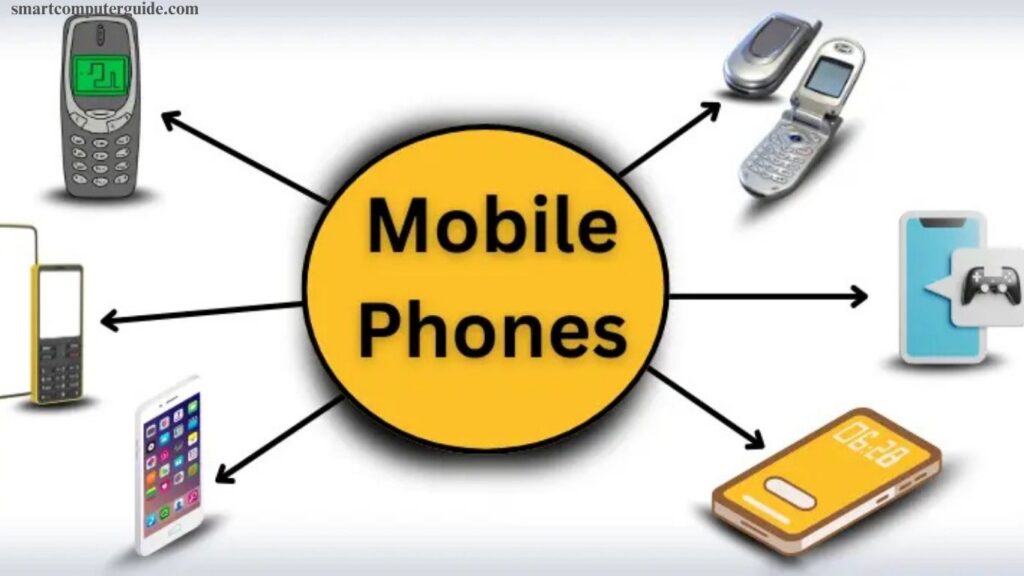
Imagine life without mobile phones no instant messages, calls, or easy access to information. Mobile phones have transformed how we connect, work, and entertain ourselves, making them an essential part of daily life. From streaming music and videos to browsing the internet, these devices keep us linked to the world around us.
Understanding what a mobile phone is, its key features, types, and main components helps us appreciate its role even more. Whether for communication, entertainment, or productivity, mobile phones have become indispensable tools that continue to shape modern life in countless ways.
Read More: Advantages and disadvantages of mobile phones
What Is a Mobile Phone?
A mobile phone is a portable device that lets you make calls, send messages, and stay connected on the go. Wireless and compact, it can be carried anywhere with ease. Today’s smartphones do much more than just communication they allow internet browsing, photography, gaming, and running various apps. Essentially, a mobile phone is like a mini computer in your hand, helping you manage daily tasks efficiently. For a deeper understanding of similar technology, you can also explore our detailed guide on What Is a Computer?, which explains how computers and mobile devices work together.
History of Mobile Phones
Mobile phones have evolved from simple calling devices to powerful tools for communication, work, and entertainment.
Early Inventions (1970s–1980s)
The first mobile phone was created by Martin Cooper of Motorola in 1973. It was large, heavy, and could only make calls. In 1983, Motorola introduced the first commercial handheld phone, the DynaTAC 8000X, a costly device that marked a breakthrough in mobile communication.
Development Over the Years
During the late 1980s and 1990s, phones became smaller and added features like text messaging, colored screens, and cameras. By 2000, devices like the Nokia 3310 and Motorola StarTAC could send emails, take photos, play music, and access the internet.
From Big Phones to Smartphones
The 2010s saw the rise of smartphones—slim, lightweight, and powerful. Devices like the iPhone and Samsung Galaxy series transformed communication, entertainment, and daily life, making mobile phones indispensable.
Types of Mobile Phones
Mobile phones come in various types, each designed for different needs and features. Here’s a clear breakdown:
Basic Phones
Simple and easy to use, basic phones let you make calls and send texts. They lack apps and internet but are affordable and have long battery life.
Examples: Nokia 105, Samsung Guru
Feature Phones
Feature phones add small cameras, FM radio, and basic apps. They remain compact and convenient for calling, messaging, and music.
Examples: Nokia 225, Lava A1
Smartphones
Smartphones have touchscreens and run multiple apps. They support internet browsing, gaming, videos, and online learning, acting like mini computers.
Examples: iPhone 14, Samsung Galaxy S23
Foldable Phones
These modern phones fold into a tablet-like design, combining style and portability.
Examples: Samsung Galaxy Z Fold 5, Huawei Mate X2
Gaming Phones
Designed for gaming, they feature fast processors, large screens, and long-lasting batteries for extended play.
Examples: Asus ROG Phone 7, Xiaomi Black Shark 6
Business Phones
Optimized for work, they handle emails, video calls, and task management efficiently, often used by professionals.
Examples: Samsung Galaxy Note 20, iPhone 14 Pro Max
Parts of a Mobile Phone
A mobile phone has several important parts, each essential for its performance and daily tasks.
Screen (Display)
The screen shows calls, messages, and apps. Most are touch-sensitive and colorful, offering bright, clear visuals for videos and gaming.
Battery
The battery powers the phone without electricity. Strong batteries last long, some charge quickly, keeping your device active throughout the day.
Camera
Cameras capture photos and videos, often with features like zoom and night mode, allowing you to preserve memories.
Processor (CPU)
The processor is the phone’s brain, managing tasks and apps. A fast CPU ensures smooth gaming, video playback, and multitasking.
Memory (RAM & Storage)
RAM allows apps to run smoothly, while storage saves photos, videos, and files. More memory improves speed and efficiency.
Operating System (OS)
The OS, like Android or iOS, runs the phone and apps, organizes tasks, and makes the phone user-friendly.
Speakers
Speakers deliver clear sound for calls, music, and videos, enhancing entertainment experiences.
Microphone
The microphone records voice for calls or audio. Noise-canceling mics ensure clear communication.
SIM Card Slot
The SIM card slot connects the phone to mobile networks for calls and internet access.
Sensors (Fingerprint, Gyroscope, Proximity, etc.)
Sensors enhance usability—fingerprint sensors secure the phone, gyroscopes assist in gaming/maps, and proximity sensors detect when the phone is near your face.
Features of Mobile Phones
Mobile phones have many useful features. These features help people in communication, learning, and entertainment. Here are some Features of a mobile phone.
- Touchscreen Display
- Camera for Photos and Videos
- Internet Access
- Apps for Learning and Entertainment
- GPS and Maps
- Social Media Connectivity
- Long Battery Life
- High-Speed Processor
- Storage for Files, Photos, and Videos
- Security Features (Fingerprint, Face Unlock)
Advantages and Disadvantages of Mobile Phones
Mobile phones play a crucial role in daily life, but overuse can lead to problems.
Advantages:
- Easy Communication
- Access to Information
- Online Learning and Education
- Entertainment (Videos, Music, Games)
- Online Shopping and Banking
- Social Media Connectivity
- Work and Business Support
Disadvantages:
- Health Issues (Eye Strain, Sleep Problems)
- Addiction and Overuse
- Security Risks and Cybercrime
- Expensive to Buy and Maintain
- Reduced Face-to-Face Interaction
Future of Mobile Phones
Mobile phones are set to become even smarter, making work, study, and entertainment easier.
Future Trends:
- AI-Powered Phones – Provide smart suggestions and help complete tasks.
- Foldable & Flexible Phones – Combine tablet-like screens with pocket-sized portability.
- Faster 6G Technology – Offer much faster internet speeds and connectivity.
- More Smart Features – Improved cameras, security, and health monitoring tools.
- Better Battery Life – Longer usage without frequent charging.
These trends show how mobile phones will continue evolving, becoming smarter, faster, and more essential in daily life.
Frequently Asked Questions
What is a mobile phone?
A mobile phone is a portable device used for calling, messaging, internet access, and running apps.
What are the main types of mobile phones?
Basic phones, feature phones, smartphones, foldable phones, gaming phones, and business phones.
What are the key parts of a mobile phone?
Screen, battery, camera, processor, memory, OS, speakers, microphone, SIM card slot, and sensors.
What features do modern mobile phones have?
Touchscreen, camera, internet access, apps, GPS, social media, high-speed processor, storage, security, and long battery life.
What are the advantages of using mobile phones?
Easy communication, information access, online learning, entertainment, shopping, social media, and work support.
What are the disadvantages of mobile phones?
Health issues, addiction, cybercrime risks, high costs, and reduced face-to-face interaction.
What is the future of mobile phones?
AI-powered features, foldable designs, faster 6G internet, smarter tools, and longer battery life.
Conclusion
Mobile phones have transformed the way we communicate, work, learn, and entertain ourselves. From simple devices for calling to powerful smartphones with advanced features, they have become an essential part of daily life. Understanding their types, parts, features, advantages, and potential future trends helps us use them more effectively and responsibly.