
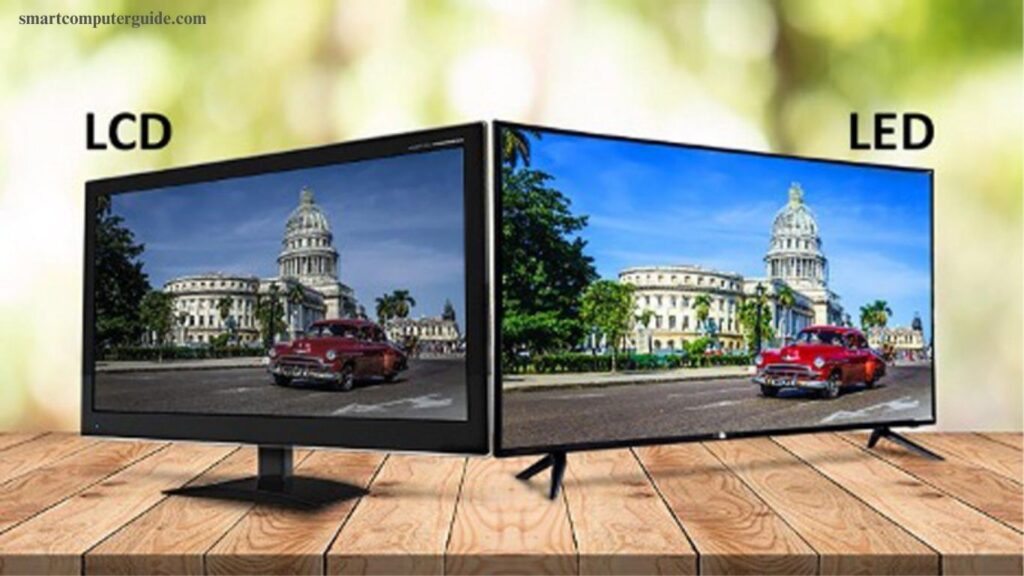
Over 90% of today’s displays use either LED vs LCD technology. While they may appear similar, key differences in picture quality, energy efficiency, and cost set them apart. LED monitors typically offer brighter images and lower power consumption, whereas LCDs can be more affordable with reliable performance. Choosing the right monitor depends on your needs whether for home use, office work, or gaming.
This guide simplifies the comparison, explaining each technology’s advantages and drawbacks in a clear, easy-to-understand way, helping you make an informed decision for your next monitor purchase.
Read More: RAM Explained: A Simple Guide for Beginners
LED vs LCD Monitors
Choosing the right monitor can be confusing, especially when deciding between LED and LCD. While both are widely used, they differ in display technology, brightness, energy efficiency, and price. Understanding these differences helps you pick the ideal monitor for home, office, or gaming use. Here’s a clear breakdown of the main distinctions between LED vs LCD monitors.
- Full Form
- Backlight Technology
- Picture Quality
- Power Consumption
- Design & Thickness
- Color Display
- Viewing Angle
- Lifespan
- Price
- Eye Comfort
- Best Use
LED vs LCD Monitors: Complete Comparison
Full Form
LED Monitor: LED stands for Light Emitting Diode. It uses tiny, powerful lights to brighten the screen, offering clear images with lower energy use.
LCD Monitor: LCD means Liquid Crystal Display. It uses liquid crystals with a backlight to show images, making it suitable for everyday tasks.
Backlight Technology
LED: Uses light-emitting diodes behind or around the screen. These lights are bright, quick, and energy-efficient.
LCD: Uses fluorescent tubes as backlights. They are less bright and consume more electricity.
Picture Quality
LED: Produces sharper, brighter images with higher contrast. Dark areas are deeper, and colors look vibrant.
LCD: Colors appear softer and contrast is lower, resulting in less vivid images.
Power Consumption
LED: Highly energy-efficient due to small LED lights, saving electricity and money.
LCD: Uses older CCFL lights that consume more power.
Design & Thickness
LED: Slim, lightweight, and modern in design thanks to compact LEDs.
LCD: Thicker and heavier due to bulky fluorescent backlights.
Color Display
LED: Delivers vivid, true-to-life colors, making videos and graphics pop.
LCD: Colors are softer and less vibrant.
Viewing Angle
LED: Maintains bright, clear images even from the side—ideal for group viewing.
LCD: Picture fades or darkens when viewed from angles; best viewed straight on.
Lifespan
LED: Lasts longer as LEDs generate less heat, keeping the monitor durable.
LCD: Shorter lifespan due to heat from older lights.
Price
LED: More expensive due to advanced technology and superior performance.
LCD: Affordable, making it suitable for schools, offices, or budget-conscious buyers.
Best Use
LED: Perfect for gaming, movies, graphic design, and video editing thanks to high-quality visuals and fast response.
LCD: Ideal for everyday tasks, office work, browsing, and basic home use at a lower cost.
Frequently Asked Questions
What is the main difference between LED and LCD monitors?
The primary difference is the backlighting. LED monitors use light-emitting diodes, while LCD monitors use fluorescent tubes. This affects brightness, energy efficiency, and picture quality.
Which monitor has better picture quality?
LED monitors deliver brighter, sharper images with higher contrast and more vibrant colors. LCD monitors have softer colors and lower contrast.
Which one consumes less electricity?
LED monitors are more energy-efficient because LEDs require less power, while LCDs use older fluorescent lights that consume more electricity.
Are LED monitors thinner than LCD monitors?
Yes. LED monitors are slim and lightweight due to compact LED lights, whereas LCD monitors are thicker and heavier because of larger fluorescent backlights.
Which monitor is better for gaming and movies?
LED monitors are ideal for gaming, movies, and graphic work due to faster response times, better brightness, and more vivid colors.
How long do LED and LCD monitors last?
LED monitors generally last longer since LEDs produce less heat. LCD monitors have a shorter lifespan because older lights can overheat and damage the screen.
Are LED monitors more expensive than LCD monitors?
Yes. LED monitors cost more due to advanced technology and superior performance, while LCD monitors are cheaper and suitable for budget-conscious users.
Conclusion
Choosing between an LED and an LCD monitor depends on your needs and budget. LED monitors offer brighter, sharper visuals, better energy efficiency, and longer lifespan, making them ideal for gaming, movies, and graphic work. LCD monitors, while less vibrant and slightly thicker, are more affordable and suitable for everyday tasks, office work, and casual home use.